How might I use the process and materials (collecting, assembling, printing, mapping, layering) themselves as acts of memorization?
Assembling to merge and connect elements as I combine histories that are dispersed across archives, landscapes, and generations.
Printing to create an impression or image of what was present and what remains. These impressions/marks, hold something of a place, body, history.
Mapping to help me to map histories of violence and displacement.
Layering makes it possible to tell multiple histories at once. The violence of 1865 cannot be isolated from the deportations of 1796 and these in turn are incomprehensible outside of the pre- and post-colonial systems underlying them.
I think I will never be done with this project. More research always reveals more histories, more than can be included in a single work. How can I honor the deaths of over 700 people at the hands of government troops without turning this project into a serious recollection of those lost? Do I have to resolve this tension?
Through the making of the work, through collecting, assembly, printing, mapping and layering, the work can generate spaces where these lives and histories are not lost. Perhaps there is a reason to be optimistic in thinking that making, remembering and witnessing still matter.
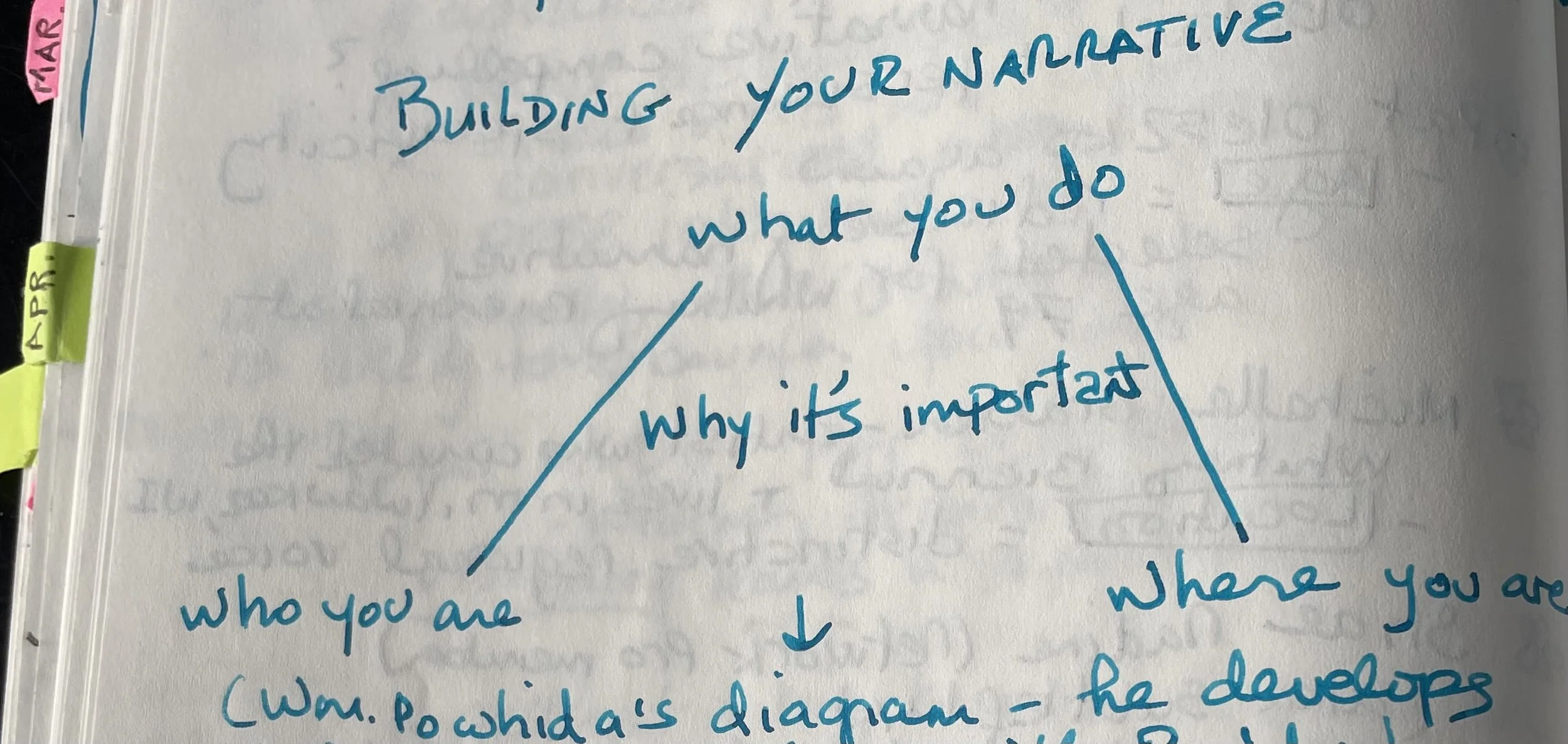
Sketchbook Notes #1
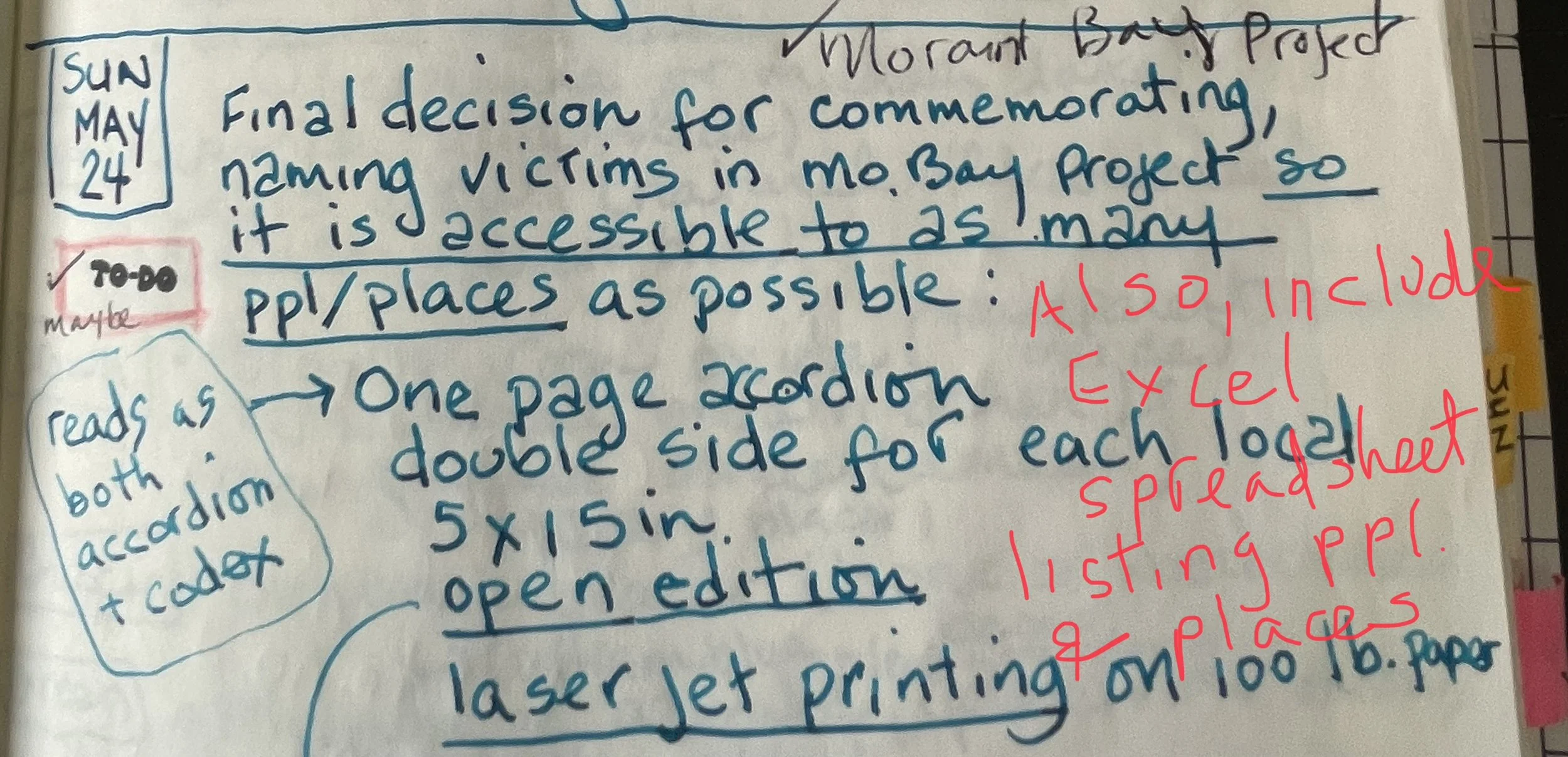
Sketchbook Notes #2
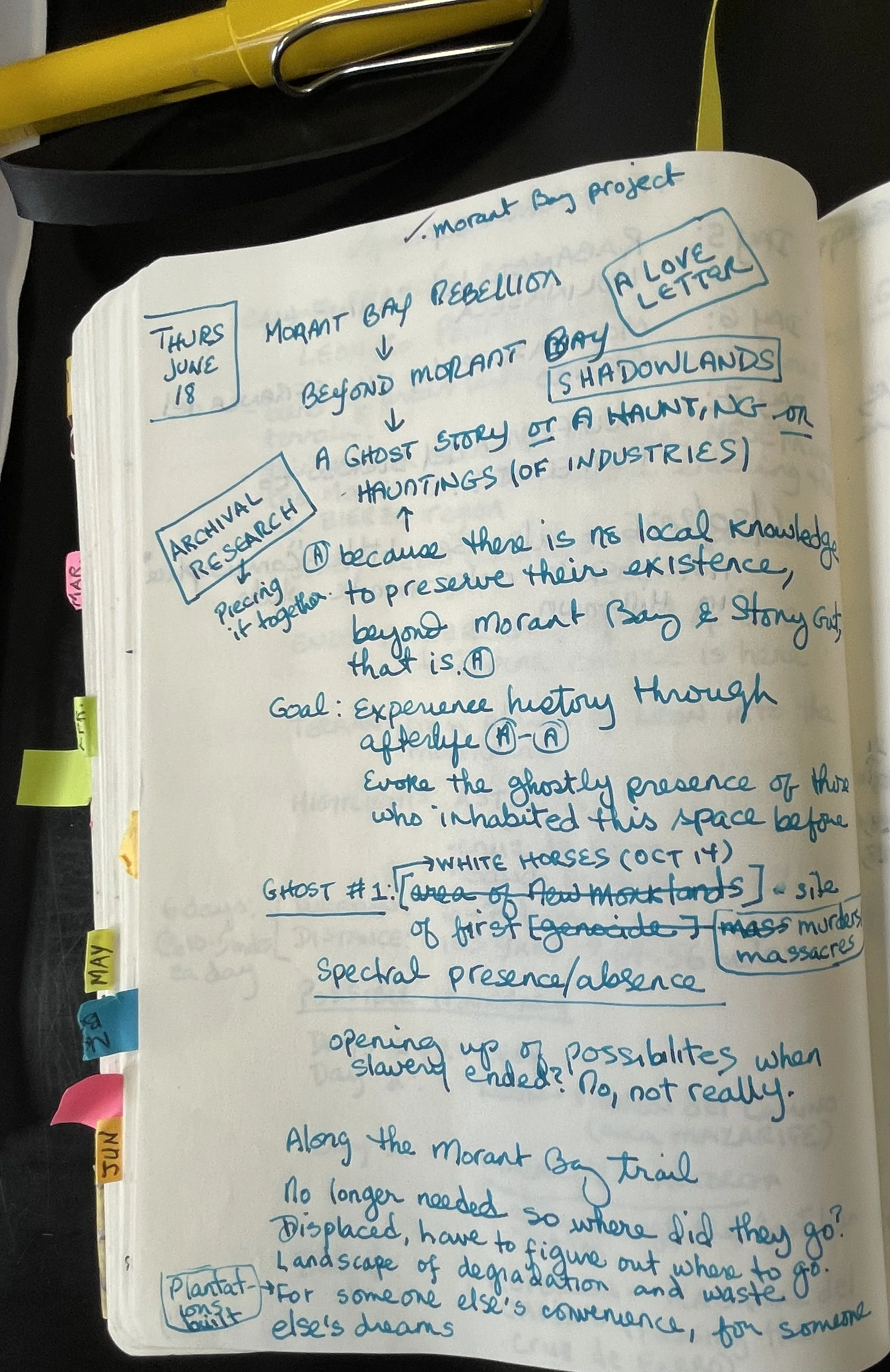
Sketchbook Notes #3
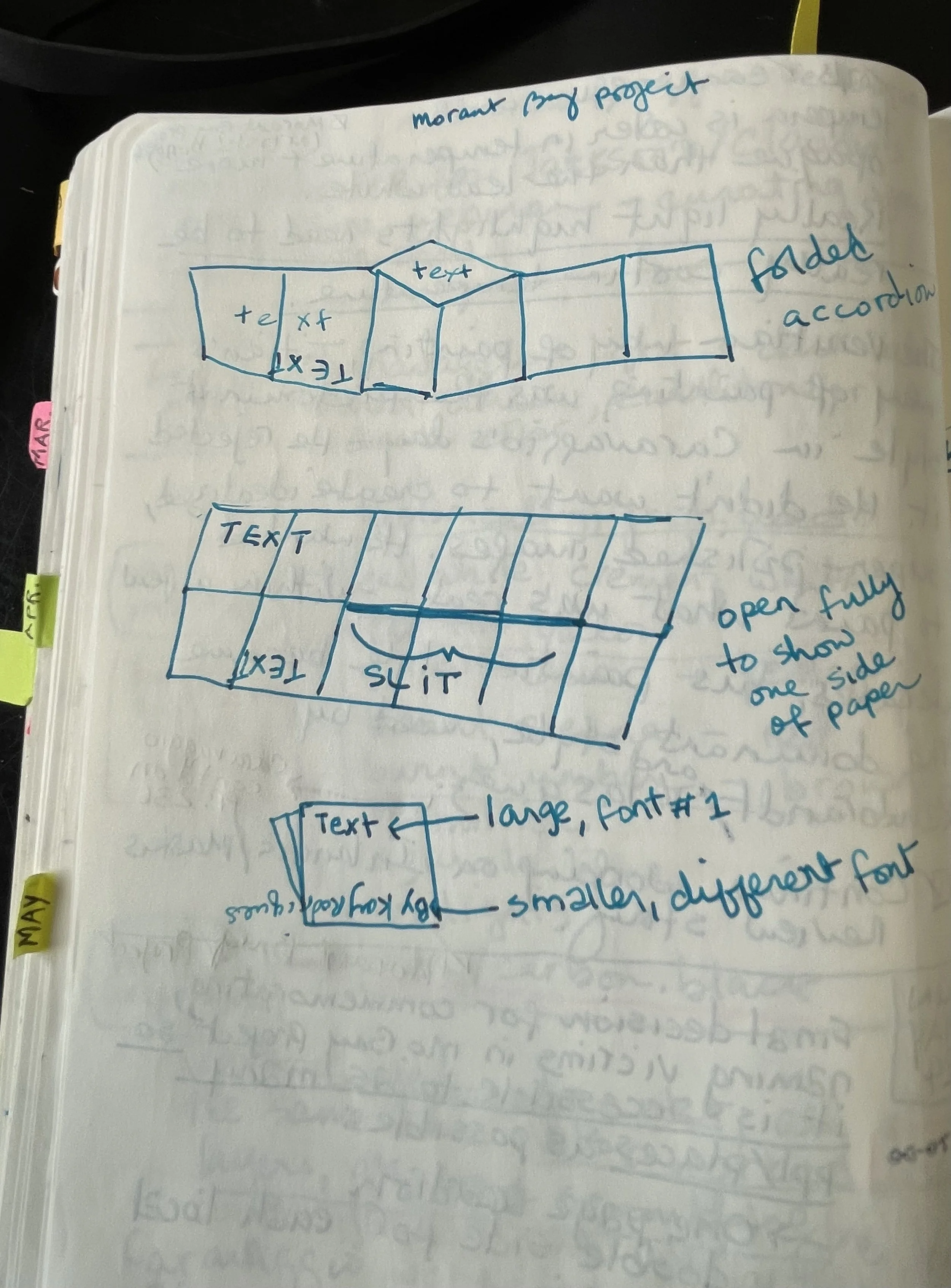
Sketchbook Notes #4
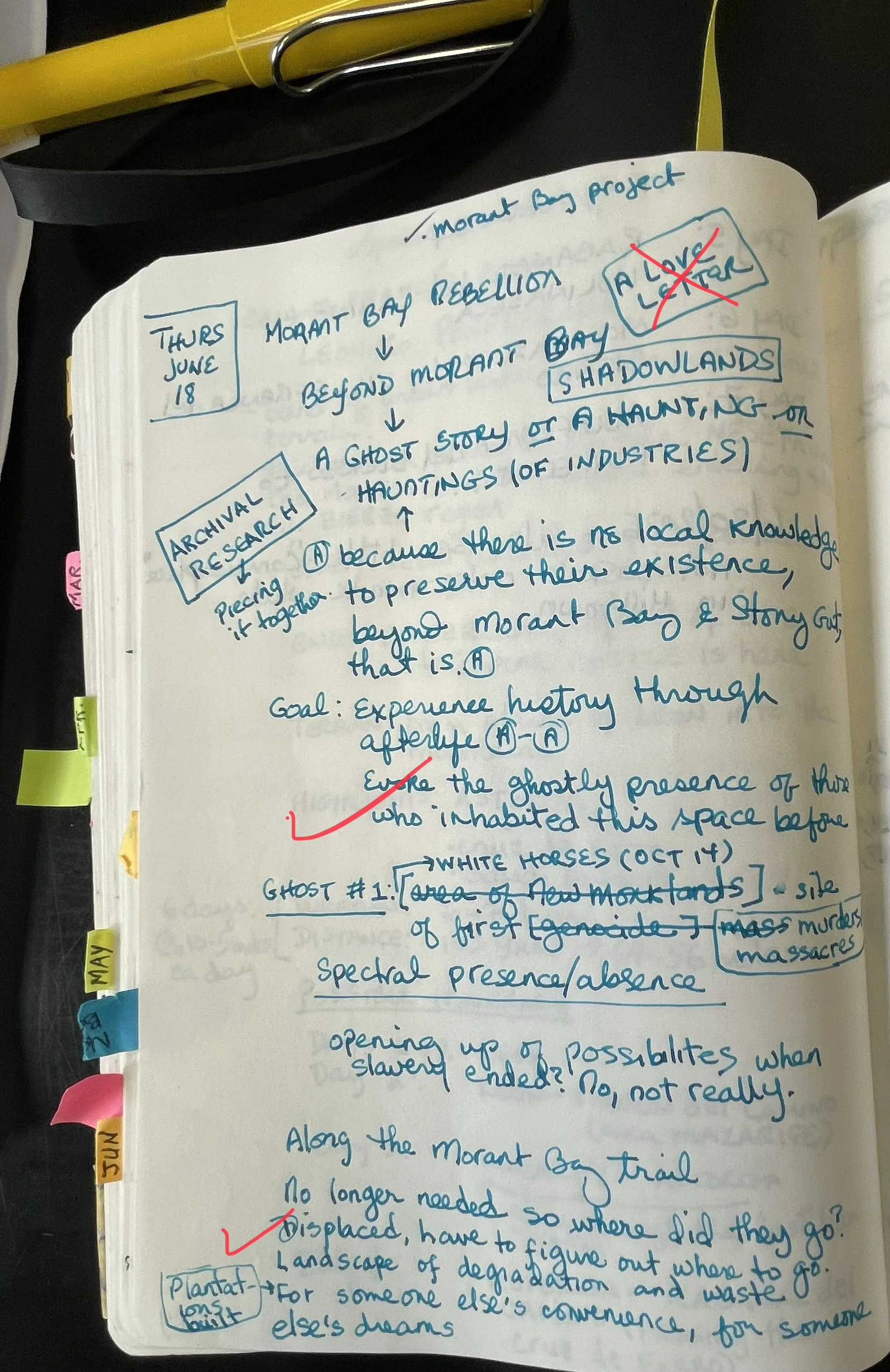
Sketchbook Notes #5
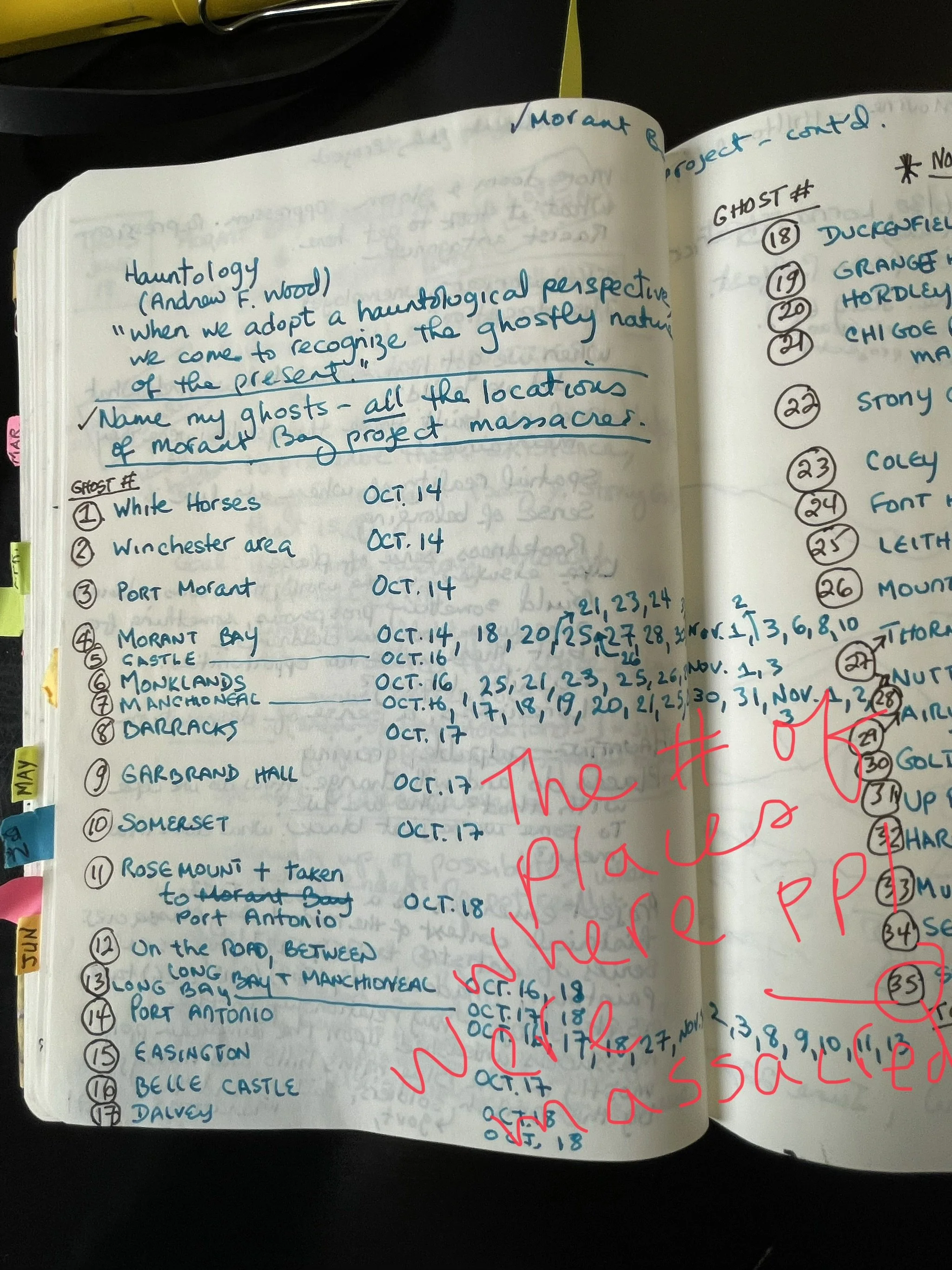
Sketchbook Notes #6